

When people type onlyworkmoods com into a search bar, many of them expect to find a mood tracker, a team dashboard, or some kind of workplace app. The name suggests a tool that measures how you feel at work and helps you act on it. What most people actually find is something simpler and quieter: a reading website filled with articles about work life. This guide explains what onlyworkmoods com is, what it does not do, which topics it covers, and how you can get real value from it without expecting more than it can give.
What Is Onlyworkmoods com?
Onlyworkmoods com is best described as a content website, or a blog-style publication, that focuses on everyday work topics. Public reviews and search listings describe it as a place where visitors read articles about productivity, motivation, career growth, and the general feeling of being at work. It works much like a small online magazine, where each page is a piece of writing rather than a feature you log in to use.
This matters because the name can be misleading. The words “work” and “moods” together sound like software, but the site is not described as an app, a program, or a membership platform. Visitors are not reported to need an account, and there are no known tracking charts, habit streaks, or private dashboards. The writing itself is the whole offering, so the best way to think of it is as a reading resource rather than a tool.
Another point worth knowing is that clear public information about who started the site, or when, is hard to find. Several write-ups say the origin story is not openly documented. That does not make the site good or bad. It simply means you should treat it the way you would treat any general blog: read it with an open mind, and check important advice against more established sources.
Why the Name Confuses So Many People
The phrase “work moods” naturally makes people think about emotional tracking. In recent years, many workplace tools have appeared that ask employees to rate their mood, report stress levels, or share how engaged they feel. Because of this trend, a name like onlyworkmoods com seems to belong in the same category.
That expectation explains why the keyword is searched so often. Many visitors arrive hoping to log in, record how they feel, or see a report about team morale. When they find an article-based site instead, they go back to search engines to ask what the site really is. This gap between the name and the content is exactly why a clear explanation is useful.
Topics You Can Expect to Find
Based on how the site is described across public listings, the content usually falls into a few broad areas that connect to professional life.
Productivity and time management. These articles tend to talk about planning your day, handling a heavy task list, protecting your attention, and finding a work rhythm that suits you. The advice is usually general and practical rather than technical.
Motivation and workplace attitude. Some pieces are written for the moments when work feels slow, repetitive, or draining. They offer simple reminders and habits meant to help a person get through a difficult stretch.
Career growth. This area covers subjects such as asking for a raise, thinking about a job change, learning new skills, and building confidence at work.
Stress, burnout, and wellbeing. Because the name focuses on moods, articles about tiredness, pressure, and balance between work and personal life are a natural fit.
Wider lifestyle and digital topics. Some descriptions mention occasional articles on technology, money basics, and modern work trends such as remote and hybrid teams. These tend to be lighter pieces that touch professional life from the side.
Who May Find It Useful
A site like this is most helpful for readers who want quick, easy-to-read ideas without committing to a long book or a paid course. A student preparing for a first job might use it to learn what everyday office habits look like. A remote worker who feels distracted at home might pick up a few ideas about structuring the day. Someone who is simply curious about why their energy rises and falls during the week may enjoy the gentle, non-technical style.
On the other hand, people who need personal guidance will find the limits quickly. A blog cannot know your workload, your manager, your health, or your financial situation. If you are facing a serious problem at work, such as harassment, a contract dispute, or ongoing mental health struggles, general articles are only a starting point, and a qualified professional is the right next step.
Strengths and Limits of Onlyworkmoods com
Every content site has things it does well and things it cannot do, and being honest about both helps you set the right expectations.
The main strength is accessibility. Articles on topics like this are usually written in plain language, which makes them easy to read on a phone during a break. There is no sign-up barrier, so you can read first and decide later whether the ideas are useful.
The main limit is depth and personalization. General tips rarely fit every person or every workplace. A piece that suggests planning your day in the morning may help one reader and feel unrealistic to another who works in shifts or handles constant interruptions. The site also should not be treated as an expert source on health, law, or finance, because general articles cannot replace professional advice.
Is Onlyworkmoods com Safe to Visit?
Reviews that discuss the site generally describe it as an ordinary informational website, and nothing in those descriptions points to a login system that collects sensitive details. Still, no outside review can guarantee safety at every moment, because websites change over time. It is wise to follow the same habits you would use on any unfamiliar site.
Make sure the address in your browser is typed correctly, because misspelled versions of names are a common trick. Look for the secure padlock symbol before entering any information, and avoid giving out passwords, banking details, or personal documents on a blog that has no reason to ask for them. Be careful with pop-ups, download buttons, and unexpected permission requests. If a page suddenly behaves differently from a normal article page, close it and do not interact with it.
How to Get Real Value From Reading Work and Mood Content
Reading about productivity does not help much unless you turn at least one idea into action. A practical way to do this is to treat each article as a small experiment instead of a rulebook.
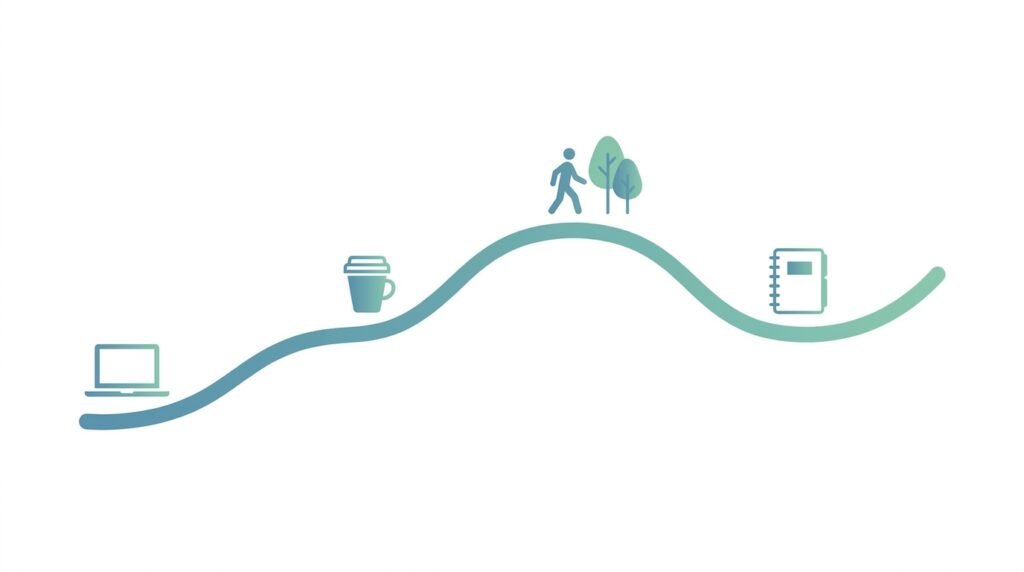
Start by noticing your own pattern. Many people have a time of day when they think clearly and another when they feel slow. Pay attention for a week and write down when you feel sharp, when you feel tired, and what you were doing at each point. This simple record is often more useful than any generic tip, because it is based on your real life.
Next, match your tasks to your energy. Heavy thinking work, such as writing or planning, usually fits better into your clearer hours, while routine tasks like organizing files or answering simple messages can be saved for lower-energy periods. This is not a magic formula, but it is a sensible way to work with your natural rhythm instead of fighting it.
Short breaks also help. Standing up, drinking water, stepping outside for natural light, or walking for a few minutes can make a long work session feel lighter. Sleep, food, and movement matter as well, since they strongly shape how you feel during the day.
Finally, if your low mood at work lasts for weeks, feels heavy, or begins to affect your health or relationships, do not try to solve it only with productivity tips. Speaking with a trusted person, your manager, or a healthcare professional is a healthier and more reliable path.
Common Mistakes Readers Make
One common mistake is expecting a tool. Visitors who arrive hoping for a mood tracker may leave disappointed, so it helps to know in advance that the site is a reading resource.
Another mistake is treating every tip as universal. Advice that works for a freelancer may not suit a nurse, a driver, or a teacher, and good readers adjust ideas to their own situation.
A third mistake is relying on a single website. Work and wellbeing are wide subjects, and the best approach is to compare several trustworthy sources, including books, professional organizations, and workplace policies.
How to Judge Any Work-Advice Website
Since many blogs in this area look similar, it is worth knowing how to judge quality. Check whether articles are clear about who wrote them, whether health or legal claims are supported by qualified sources, and whether the site avoids promising instant results. Good content tends to be honest about limits, uses calm and realistic language, and does not pressure you to buy something. If a page makes dramatic promises about fixing your career or your mood overnight, treat it with caution.
Frequently Asked Questions
Is onlyworkmoods com a mood tracking app? No. Public descriptions present it as an article-based website rather than an app, and no tracking feature or dashboard is reported.
Do I need an account to read it? Reviews describe it as a reading site without a sign-in requirement, though this can change, so always follow what you see on the page itself.
What topics does it cover? It is described as covering productivity, motivation, career growth, workplace wellbeing, and some general lifestyle and digital subjects.
Can it replace career coaching or professional support? No. General articles can offer ideas, but they cannot replace personal advice from a coach, counselor, doctor, or lawyer.
Is it useful for remote workers? It can be, especially for readers looking for simple ideas about focus, routine, and balance, as long as they adapt the advice to their own situation.
Final Thoughts
Onlyworkmoods com is a straightforward reading site about work life, not a software tool, and understanding that difference saves time and avoids confusion. Its value lies in giving readers light, easy-to-follow ideas about productivity, motivation, and career habits. Used wisely, alongside your own observations and more established sources, it can be one small piece of a healthier approach to the workday.
Explore More: Bill Arriaga: Suzette Quintanilla’s Husband Explained
Disclaimer
This article is provided for general informational purposes only. It is not professional, medical, legal, financial, or career advice. Information about websites can change over time, and readers should verify current details directly and use their own judgment. This article is not affiliated with or endorsed by onlyworkmoods com. If you are struggling with stress, low mood, or workplace problems, please speak with a qualified professional.