
If you have typed “Merfez” into a search engine, you have probably noticed something strange. One page says it is a quiet coastal town in Turkey, another says it is a brand of handwoven rugs, and a third describes it as a productivity method or a social media mood. These answers do not agree with each other, and most of them do not tell you where their information came from. This guide takes a calmer and more careful approach. It explains what people are saying about Merfez, shows where the stories conflict, and gives you simple tools to decide for yourself what is trustworthy.
Why So Many People Are Searching for Merfez
Merfez is an uncommon word, and that is exactly why it attracts attention. When a term has no long history in dictionaries, encyclopedias, or news archives, any new page that explains it can quickly rise in search results. Over the past months, a large number of articles have appeared that all claim to explain “the real meaning” of Merfez, and many of them are published on general content websites that cover everything from fashion to finance. Readers who land on these pages often leave with more questions than answers, because each page seems to describe a different thing under the same name.
It is also worth saying that the spelling matters. Many people search for words they have heard in conversation, seen in a caption, or typed from memory, and a small spelling difference can lead to a completely different place or product. Later in this article you will find a short list of look-alike names that are easy to confuse with Merfez.
The Different Meanings You Will Find Online
When you read through the pages that rank for this keyword, the same group of ideas appears again and again, although the details change from page to page. The most common claim is that Merfez is a small coastal town or village on the southern Mediterranean shore of Turkey. The second most common claim is that Merfez is a brand of handcrafted home textiles, such as rugs, throws, and woven fabrics made from natural fibers like cotton, wool, or linen. A third group of pages describes it as a creative style on social media, usually linked to honest, unpolished, and personal content. Other pages present it as a minimalist productivity framework for work, a long-form publishing website that covers many topics, or a digital workflow and system integration concept. At least one page even connects the word to ventilation and airflow systems.
Seeing seven or eight unrelated meanings for one rare word should make any careful reader pause. Real words with multiple meanings, such as “bank” or “crane,” are documented in dictionaries and used by many independent people in daily life. In the case of Merfez, the different meanings are mostly found on pages that repeat each other’s language, and they rarely point to a named creator, a business address, a map location, or an official record.
Looking Closely at the Turkish Coastal Town Claim
The coastal town story is the one that attracts the most curiosity, especially from travelers, so it deserves a closer look. Pages that promote it describe sea views, old stone buildings, local markets, and more than two thousand years of history. Some call it a town, while others call it a village, and some say it is near the city of Adana, with one page giving a distance of roughly seventy kilometers from the Adana airport. None of the pages I reviewed gave the basic details that a real place normally has, such as the province, the district, the population, the postal information, or map coordinates.
While researching for this article, I also looked for the name in encyclopedic and official-style sources, including municipality lists for the Turkish provinces in that part of the Mediterranean coast, and I did not find a place called Merfez. That does not prove with absolute certainty that no tiny settlement or neighborhood has ever carried the name, because very small places and local nicknames are not always recorded in English-language sources. It does mean that the claim is unverified, and that anyone planning a trip should treat it with caution until they can confirm the location on an official map or through a local tourism office.
The Textile Brand and Other Claims
The handcrafted textile claim follows the same pattern. The pages describe warm, durable, artisan-made pieces and talk about traditional weaving heritage, but they do not name a workshop, a founder, a shop, or a place where you can actually buy a product. A real handmade brand usually leaves clear traces, such as a working online store, photographs of its own products, contact details, customer reviews, and some kind of business registration. If you cannot find these things, you should not send money or share personal information based on a general article alone.
The creative movement, productivity framework, and publishing platform claims are even harder to test, because they describe ideas rather than objects. A “movement” needs people who clearly identify with it, and a “framework” needs a creator who explains the steps and takes responsibility for them. The pages that discuss Merfez in this way offer general advice about authenticity, simplicity, and intentional living, which is sensible advice on its own, but it is not specific to this word and does not prove that a recognized method called Merfez exists.
Why a Rare Word Can Collect So Many Meanings
There is a simple explanation for how this can happen. Many websites publish articles quickly, and writers often study the top existing results before writing their own version. If the first few pages contain an unverified claim, later pages may repeat it, rewrite it, and add new details, so the claim begins to look widely supported even though it started from a single unchecked source. A word with very little real-world information is especially open to this kind of drift, because there is nothing solid to correct the story.
This is why the number of pages saying something is not a good test of truth. A better test is whether independent, identifiable sources confirm it, such as an official map, a government record, a registered company, a known author, or a reputable news report. When all the pages trace back to the same type of anonymous content, agreement between them proves very little.
Look-Alike Names That Are Easy to Confuse
Part of the confusion may come from names that sound or look similar. Mersin is a real Turkish port city and province on the Mediterranean coast, and it is easy to mistake it for a similar-sounding word when typing quickly. Fez is a well-known historic city in Morocco, famous for its old medina, and travel pages about it often appear in searches for similar words. Mehriz is the name of a county in Iran, and it appears in international place-name databases with a spelling that is close to Merfez when written in Latin letters. If you first heard the word in speech, it is worth checking whether one of these names, or another similar one, is what you were actually looking for.
How to Verify a Place, Brand, or Term Yourself
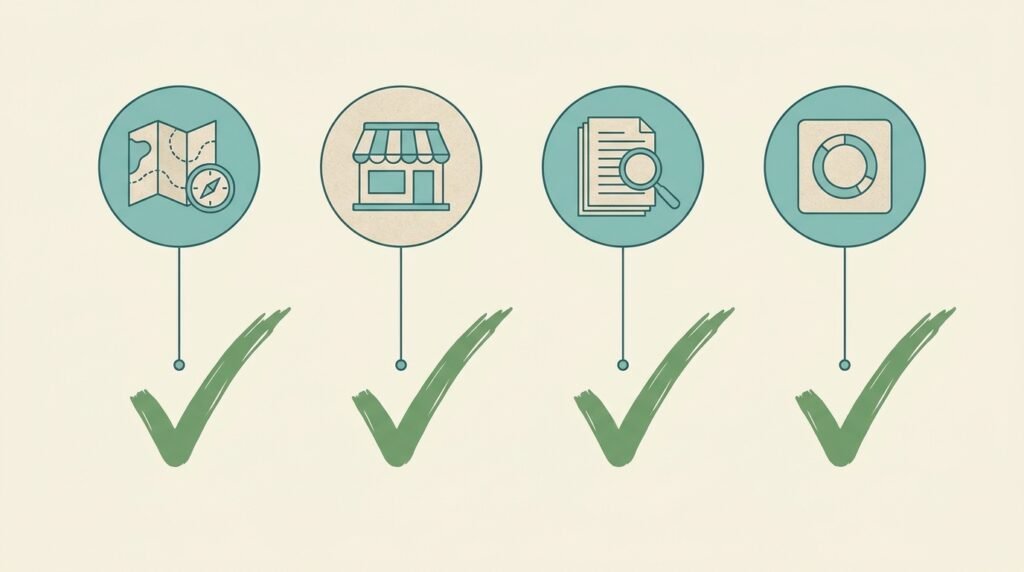
You do not need special skills to check whether something is real, and a few habits will protect you from most misleading pages. For a place, search for it on a major map service and on the official website of the relevant province or tourism office, and look for coordinates, photos taken by different people, and recent traveler reports. For a brand, look for a store with a working checkout, a clear return policy, a real address, and contact details that you can test before buying. For an idea or concept, look for a named author, a date, and references to independent work, and be careful if every page uses the same phrases and the same list of meanings.
It also helps to compare publication dates and author names. Pages that appear in large numbers within a short period, use nearly identical headings, and carry no author information deserve extra caution. Finally, rely on at least two independent sources that do not appear to copy one another before you decide that something is true.
What to Do Before Traveling or Buying
If your interest in Merfez comes from a travel plan, do not book accommodation, transport, or tours based only on an article that describes the place in general terms. Confirm the exact location on an official map, check the name with a Turkish tourism office or a local travel agent, and make sure that any hotel or booking page can be found on trusted booking platforms with real guest reviews. If your interest comes from home decor, treat any product listing that uses the name with the same care you would apply to any unknown online shop, and prefer payment methods that offer buyer protection.
Frequently Asked Questions About Merfez
Is Merfez a real town in Turkey? Many online pages say so, but I could not find confirmation in official or encyclopedic sources, so the claim should be treated as unverified until you can confirm it on an official map.
Is Merfez a real textile brand? Some pages describe it that way, yet they do not name a maker, a shop, or a contact point, so there is no verified way to buy from or contact such a brand based on those pages alone.
Why does Merfez have so many meanings? Rare words with little documented history are easy to attach to new stories, and websites often copy and expand each other’s claims, which creates the impression of a wide and established meaning.
What should I do if I want to know more? Start by checking the spelling, then compare official maps, company records, and named authors, and only trust details that independent sources confirm.
Final Thoughts
Merfez is a good example of how modern search results can look confident without being reliable. The word is described as a coastal town, a textile brand, a creative style, a work method, and a website, but the evidence behind these claims is thin, and no single meaning is firmly established by sources that can be checked. The wisest approach is to stay curious, ask for specific details, and confirm anything important before you rely on it. If better evidence appears in the future, such as an official record of a place or a registered brand with a visible presence, the picture may change, and the same verification habits will help you recognize it.
Disclaimer: This article is for general information only. The word “Merfez” has no single confirmed meaning in the sources reviewed, and descriptions of it online conflict with one another. Nothing here should be treated as travel, business, legal, or purchasing advice. Please verify locations, brands, and claims through official or independent sources before making any decision, and note that information may change over time.